Just the Facts…Smoking & Tobacco Use
Tobacco use, particularly cigarette smoking, is the single most preventable cause of death in the United States. The number of deaths per year from smoking exceeds the number of deaths per year from all accidents, suicides, drug use, homicides and AIDS combined. An estimated 45 million U.S. adults are smokers, and more than a third of all U.S. high school students smoke cigarettes.

- What are the effects of cigarette smoking on cancer rates?
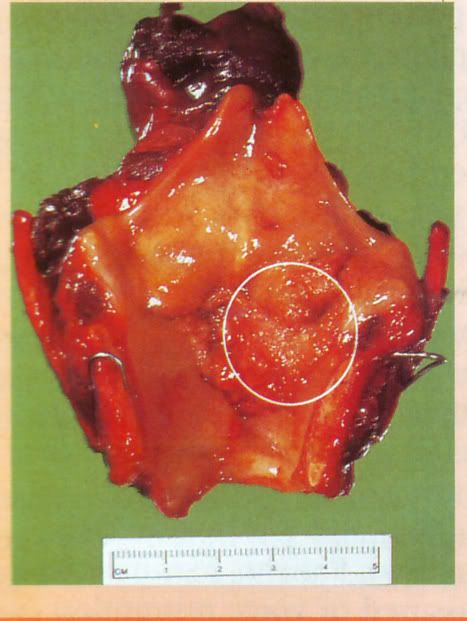
Cigarette smoking causes 87 percent of lung cancer deaths (1). Lung cancer is the leading cause of cancer death in both men and women (3). Smoking is also responsible for most cancers of the larynx, oral cavity and pharynx, esophagus, and bladder. In addition, it is a cause of kidney, pancreatic, cervical, and stomach cancers (2, 4), as well as acute myeloid leukemia (2).
- Are there any health risks for nonsmokers?
The health risks caused by cigarette smoking are not limited to smokers. Exposure to secondhand smoke, or environmental tobacco smoke (ETS), significantly increases the risk of lung cancer and heart disease in nonsmokers, as well as several respiratory illnesses in young children (5). (Secondhand smoke is a combination of the smoke that is released from the end of a burning cigarette and the smoke exhaled from the lungs of smokers.) The U.S. Environmental Protection Agency (EPA), the National Institute of Environmental Health Science’s National Toxicology Program, and the World Health Organization’s International Agency for Research on Cancer (IARC) have all classified secondhand smoke as a known human carcinogen—a category reserved for agents for which there is sufficient scientific evidence that they cause cancer (5, 6, 7). The U.S. EPA has estimated that exposure to secondhand smoke causes about 3,000 lung cancer deaths among nonsmokers and is responsible for up to 300,000 cases of lower respiratory tract infections in children up to 18 months of age in the United States each year (5). For additional information on ETS, see the NCI fact sheet Environmental Tobacco Smoke, which can be found at http://www.cancer.gov/cancertopics/factsheet/Tobacco/ETS on the Internet.
- What harmful chemicals are found in cigarette smoke?
Cigarette smoke contains about 4,000 chemical agents, including over 60 carcinogens (8). In addition, many of these substances, such as carbon monoxide, tar, arsenic, and lead, are poisonous and toxic to the human body. Nicotine is a drug that is naturally present in the tobacco plant and is primarily responsible for a person’s addiction to tobacco products, including cigarettes. During smoking, nicotine is absorbed quickly into the bloodstream and travels to the brain in a matter of seconds. Nicotine causes addiction to cigarettes and other tobacco products that is similar to the addiction produced by using heroin and cocaine (9).
- How does exposure to tobacco smoke affect the cigarette smoker?
Smoking harms nearly every major organ of the body (2). The risk of developing smoking-related diseases, such as lung and other cancers, heart disease, stroke, and respiratory illnesses, increases with total lifetime exposure to cigarette smoke (7). This includes the number of cigarettes a person smokes each day, the intensity of smoking (i.e., the size and frequency of puffs), the age at which smoking began, the number of years a person has smoked, and a smoker’s secondhand smoke exposure.
- How would quitting smoking affect the risk of developing cancer and other diseases?
Smoking cessation has major and immediate health benefits for men and women of all ages. Quitting smoking decreases the risk of lung and other cancers, heart attack, stroke, and chronic lung disease. The earlier a person quits, the greater the health benefit. For example, research has shown that people who quit before age 50 reduce their risk of dying in the next 15 years by half compared with those who continue to smoke (3). Smoking low-yield cigarettes, as compared to cigarettes with higher tar and nicotine, provides no clear benefit to health (2). For additional information on quitting smoking, see the NCI fact sheet Questions and Answers About Smoking Cessation, which can be found at http://www.cancer.gov/cancertopics/factsheet/Tobacco/cessation on the Internet.
- What additional resources are available?
For help with quitting smoking, call NCI’s smoking cessation quitline at 1–877–44U–QUIT or visit NCI’s smoking cessation Web site at http://www.smokefree.gov on the Internet.

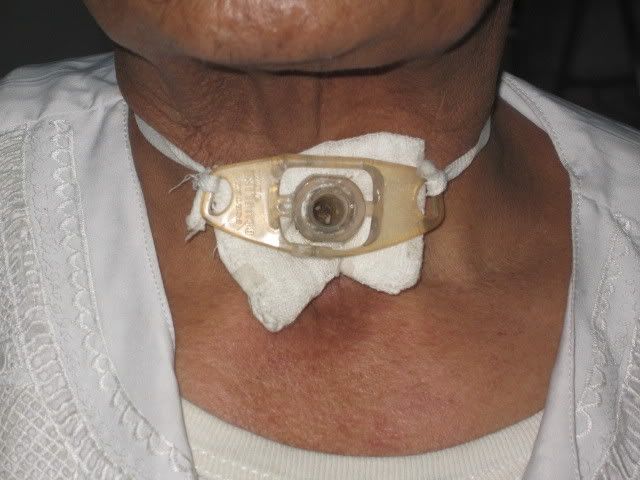
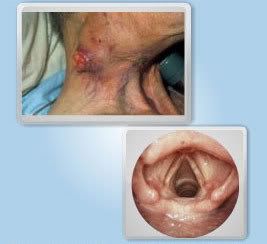
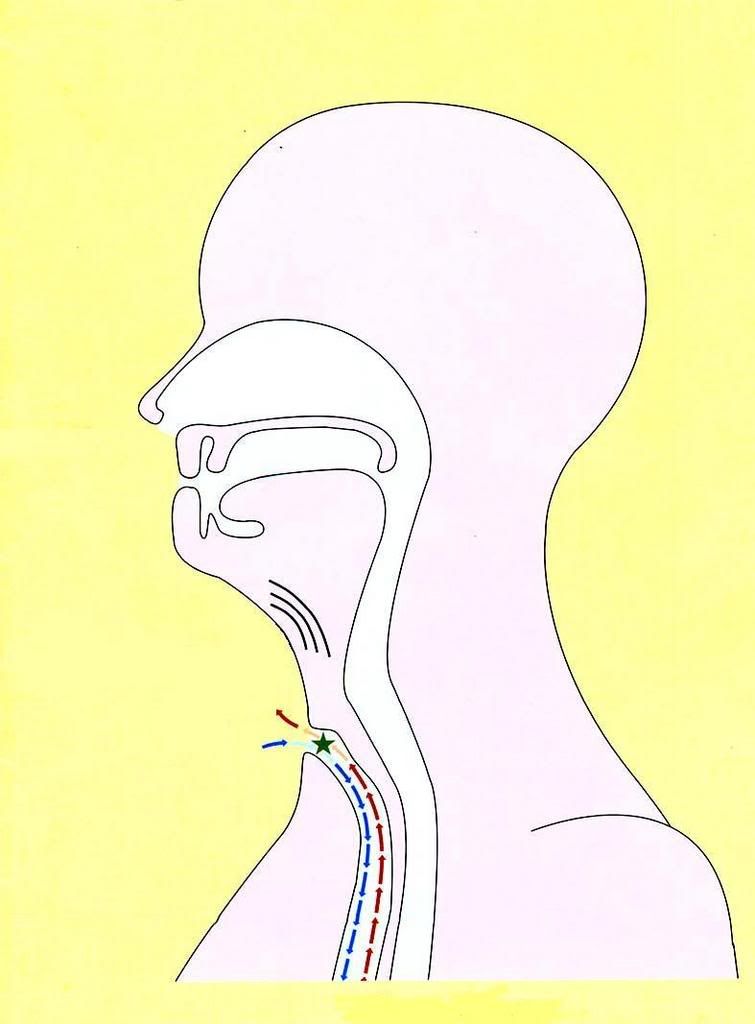
On top is a picture of severe cancer of the larynx, which has surfaced on his neck and spread to his lymph glands. Most laryngeal cancers begin near the vocal cords, causing hoarseness or other changes in the voice.
http://www.cancer.gov/publications